Article Content:
In the world of cryptocurrency, few abbreviations carry as much weight as "BTC." More than just a shorthand, BTC is the universal identifier for Bitcoin—the pioneering decentralized digital currency that has reshaped global finance, technology, and the very concept of value transfer. To understand BTC is to grasp the core of a movement that challenges traditional monetary systems, empowers individual ownership, and bridges the gap between digital innovation and real-world utility.
What Is BTC
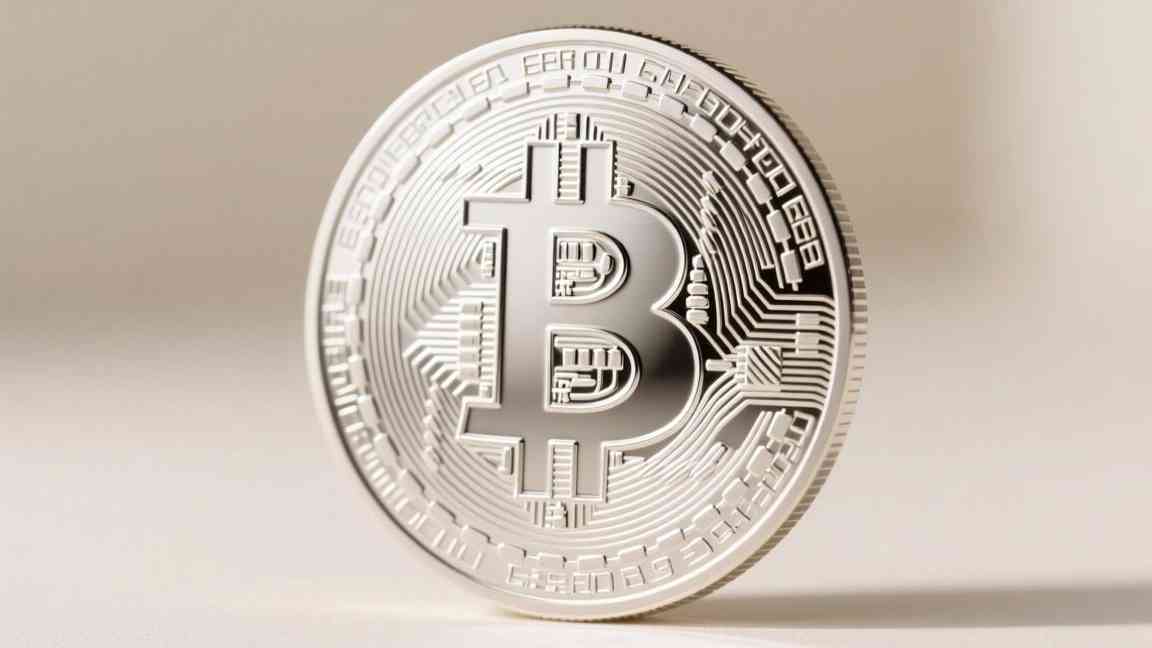
BTC stands for Bitcoin, the first and most widely recognized cryptocurrency. Created in 2009 by an anonymous entity known as Satoshi Nakamoto, Bitcoin introduced a groundbreaking paradigm: a peer-to-peer electronic cash system operating without a central authority like a bank or government. Instead, it relies on a distributed ledger technology called the blockchain, which records all transactions across a network of computers (nodes), ensuring transparency, security, and immutability.
Each BTC unit is a digital "coin," but unlike physical currency, it exists purely as data on the blockchain. Transactions are verified by miners—participants who solve complex mathematical problems—and once confirmed, they are added to the blockchain, making them nearly impossible to alter. This process eliminates the need for intermediaries, reduces transaction fees, and enables fast, borderless payments.
Why "BTC"? The Origin of the Abbreviation
The choice of "BTC" as Bitcoin’s ticker symbol is rooted in its early history and the conventions of financial notation. "B" stands for Bit, the smallest unit of information in computing, while "C" represents Coin, reflecting Bitcoin’s purpose as a digital medium of exchange. Together, "BTC" succinctly captures its identity as a "BitCoin."
This abbreviation was popularized by early Bitcoin exchanges and communities, which needed a concise, recognizable symbol for trading and discussion. Over time, "BTC" became the standard across global markets, appearing on cryptocurrency exchanges (e.g., Coinbase, Binance), wallet apps, and financial news outlets. It is now so widely adopted that it is often used interchangeably with "Bitcoin" in both casual and professional contexts.
BTC Beyond Abbreviation: Symbol of a Financial Revolution
While "BTC" is merely a label, what it represents is transformative. For millions, BTC is more than a currency—it is a store of value akin to "digital gold," a hedge against inflation and economic instability. For others, it is a tool for financial inclusion, providing access to banking services for the unbanked population worldwide. Technologists see it as the foundation for decentralized finance (DeFi), non-fungible tokens (NFTs), and the broader Web3 ecosystem.
The abbreviation also carries cultural weight. It has become a shorthand for innovation, disruption, and the debate over the future of money. Critics raise concerns about volatility, regulatory risks, and environmental impacts, while proponents emphasize its potential to democratize finance and empower individuals.
Conclusion: BTC as a Global Shorthand
In essence, "BTC" is far more than a three-letter code. It is the entry point to understanding Bitcoin’s technology, its role in the global economy, and its vision for a more open financial system. Whether seen as an investment, a technological breakthrough, or a social moveme