Introduction
Blockchain technology, once synonymous primarily with cryptocurrencies like Bitcoin, has evolved far beyond its origins. Today, a common question arises: Is blockchain being used practically, or is it still just a theoretical concept? The answer is a resounding yes. While its full potential is still unfolding, blockchain has already transitioned from experimental to operational across numerous industries, driving innovation, enhancing security, and redefining trust in digital interactions. This article explores the current real-world applications of blockchain, demonstrating its tangible impact on sectors ranging from finance to supply chain management.
Financial Services: Beyond Cryptocurrency
The financial industry was the first to adopt blockchain, and it remains one of the most active areas of application. Beyond powering cryptocurrencies, blockchain is revolutionizing traditional finance through:
- Cross-Border Payments: Platforms like Ripple (XRP) and Stellar utilize blockchain to enable fast, low-cost international transfers, bypassing the slow and expensive intermediary networks (e.g., SWIFT). For example, Santander’s One Pay FX uses Ripple’s technology to process global payments in seconds.
- Decentralized Finance (DeFi): DeFi applications leverage blockchain to create open, permissionless financial systems—such as lending protocols (Aave, Compound), decentralized exchanges (Uniswap), and stablecoins (USDC). These platforms eliminate intermediaries like banks, allowing users to earn interest, borrow assets, and trade directly.
- Central Bank Digital Currencies (CBDCs): Countries like China (digital yuan), Sweden (e-krona), and the Bahamas (Sand Dollar) are piloting CBDCs built on blockchain technology to modernize monetary systems and enhance financial inclusion.
Supply Chain Management: Transparency and Traceability
Blockchain’s immutable and transparent ledger makes it ideal for tracking goods from origin to consumer. Key applications include:
- Food Safety: Companies like Walmart and Carrefour use blockchain to trace food products (e.g., mangoes, pork) in real time. If contamination occurs, blockchain enables rapid identification of the source, reducing recalls and ensuring consumer safety.
- Luxury Goods: Brands such as Louis Vuitton and L’Oréal use blockchain to verify the authenticity of products (e.g., handbags, cosmetics), counterfeiting by providing a tamper-proof record of each item’s journey.
- Logistics and Shipping: Platforms like IBM Food Trust and TradeLens use blockchain to streamline documentation, reduce paperwork, and improve transparency in global supply chains, cutting costs and delays for shippers and exporters.
Healthcare: Securing Data and Enhancing Collaboration
In healthcare, blockchain addresses critical challenges related to data privacy, interoperability, and drug traceability:
- Electronic Health Records (EHRs): Projects like MedRec (developed by MIT) and Medicalchain use blockchain to give patients control over their medical records, allowing secure sharing with healthcare providers while maintaining privacy.
- Drug Supply Chain: The U.S. Food and Drug Administration (FDA) has piloted blockchain to track prescription drugs, preventing counterfeit medicines from entering the supply chain. Companies like Pfizer and Merck also use blockchain to ensure the authenticity of vaccines and medications.
- Clinical Trials: Blockchain secures trial data, reducing fraud and ensuring transparency. For example, the Blockchain Research Institute has explored using blockchain to track patient consent and trial results, improving trust in medical research.
Real Estate: Streamlining Transactions and Ownership
Real estate transactions are often slow, costly, and opaque due to paperwork and intermediaries. Blockchain is simplifying this process by:
- Tokenization: Platforms like RealT and Propy allow investors to buy property tokens (representing fractional ownership) on blockchain, enabling lower-cost, faster transactions and opening real estate investment to a global audience. Management**: Countries like Sweden and Georgia are testing blockchain-based land registry systems to reduce fraud, streamline title transfers, and increase transparency in property ownership.
- Smart Contracts: Self-executing contracts automate processes like rent payments and escrow, reducing the need for brokers and lawyers, and minimizing disputes.
Voting and Governance: Ensuring Integrity
Blockchain’s tamper-proof nature makes it a promising tool for enhancing the security and transparency of voting systems:
- Digital Voting: Pilot projects in West Virginia (U.S.), Estonia, and India have explored blockchain-based voting to prevent tampering and enable remote voting. For example, Voatz, a blockchain voting platform, was used for military and overseas voters in U.S. elections.
- Decentralized Autonomous Organizations (DAOs): DAOs are community-governed organizations where decisions are made via blockchain-based voting. Examples include The DAO (a decentralized venture fund) and Uniswap’s governance model, where token holders vote on protocol changes.
Intellectual Property and Royalties
Content creators and artists often struggle with
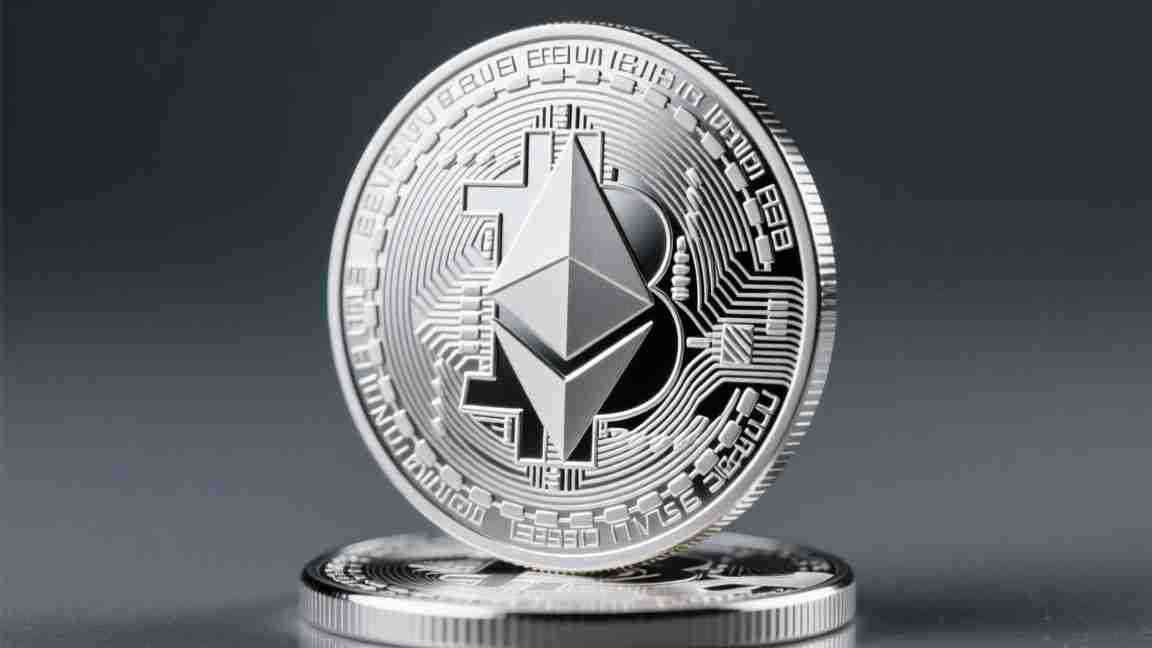
- NFTs (Non-Fungible Tokens): Platforms like OpenSea and Rarible enable artists to tokenize digital art, music, and videos as NFTs, proving ownership and enabling direct sales to collectors. NFTs also automate royalty payments via smart contracts, ensuring creators earn a percentage from future resales.
- Patent and Copyright Protection: Projects like IPwe and Ascribe use blockchain to timestamp and register intellectual property, providing immutable proof of ownership and simplifying legal disputes.
Challenges and Future Outlook
Despite its progress, blockchain faces hurdles: scalability (e.g., Bitcoin’s slow transaction speed), regulatory uncertainty, and energy consumption (e.g., proof-of-work consensus). However, advancements like proof-of-stake (used by Ethereum) and layer-2 solutions are addressing these issues.
Conclusion
Blockchain is no longer a futuristic concept—it is actively transforming industries today. From revolutionizing finance and supply chains to securing healthcare data and empowering creators, its applications are diverse and impactful. As technology matures and regulatory frameworks evolve, blockchain is poised to become even more integral to our digital lives, redefining trust, efficiency, and innovation in the 21st century. The question is no longer if blockchain will be used, but how deeply it will reshape our world.

